Understanding Balanced Nutrition in Modern Lifestyle
An educational resource exploring the role of nutrients, natural ingredients, and everyday dietary habits in men's wellbeing across Europe.
Educational content only. No promises of outcomes.
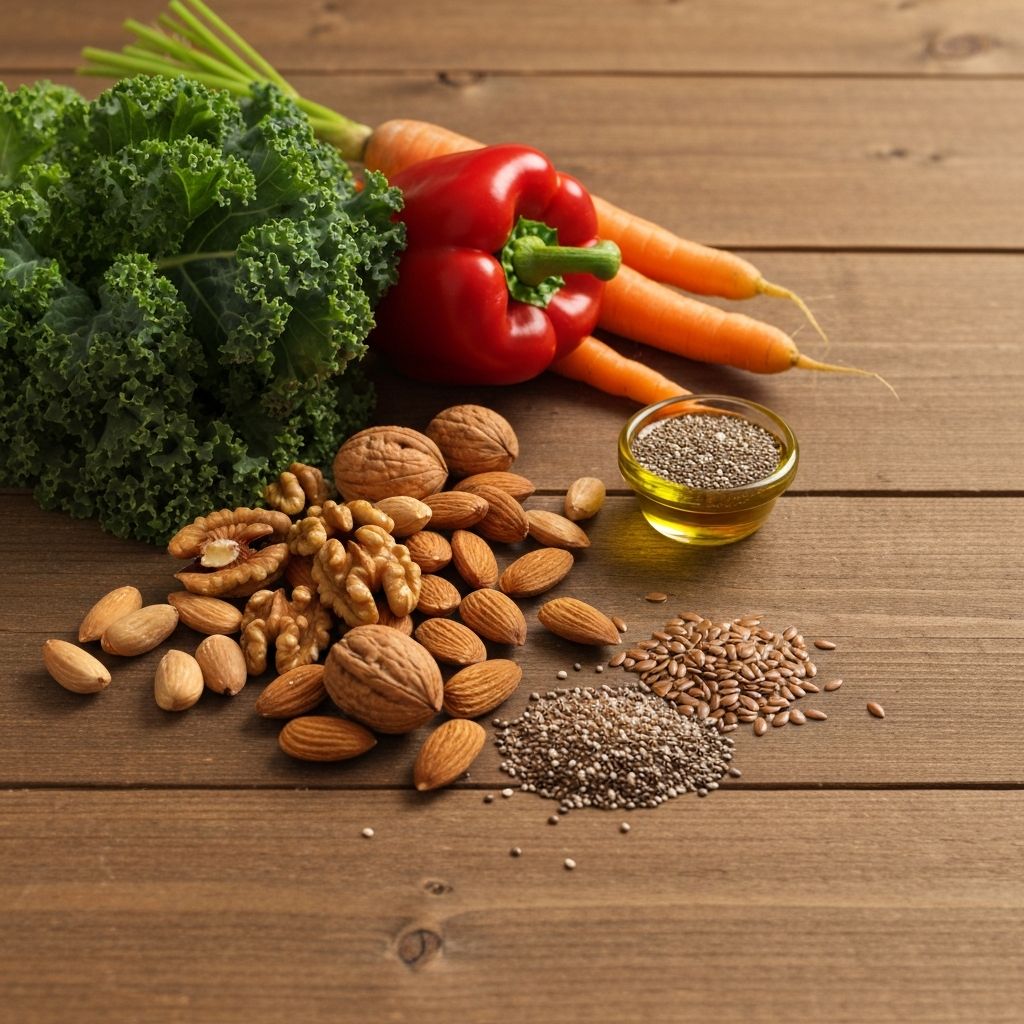
An educational resource exploring the role of nutrients, natural ingredients, and everyday dietary habits in men's wellbeing across Europe.
Educational content only. No promises of outcomes.
Balanced nutrition refers to the concept of consuming a variety of foods that provide essential nutrients needed for daily functioning. In European dietary culture, this approach emphasizes whole foods, seasonal ingredients, and mindful eating patterns.
Educational research suggests that everyday nutrition involves understanding macronutrients such as proteins, carbohydrates, and fats, alongside micronutrients like vitamins and minerals. These components work together in the body's natural processes.
This knowledge hub explores these principles from an informational perspective, helping readers understand the basic science behind nutritional concepts without making individual recommendations.
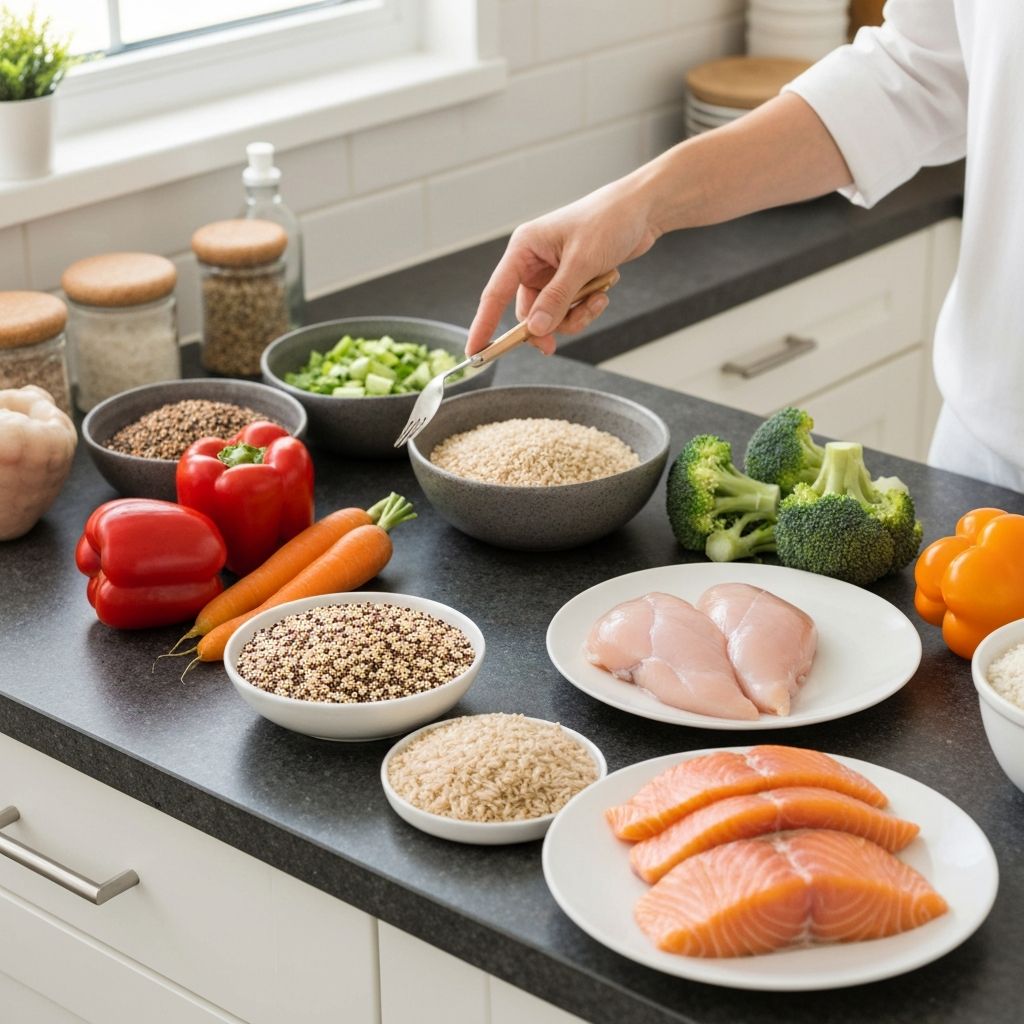
Proteins are complex molecules composed of amino acids. They are found in various food sources including legumes, nuts, dairy products, and lean meats. Educational literature describes proteins as fundamental building blocks in biological systems.
Carbohydrates are organic compounds present in grains, fruits, vegetables, and other plant-based foods. Nutrition education categorizes them into simple and complex types, each with different molecular structures and dietary roles.
Dietary fats are lipid compounds found in foods like olive oil, avocados, nuts, and fish. Educational resources distinguish between saturated, unsaturated, and polyunsaturated fats based on their chemical composition.
Vitamins are organic compounds required in small amounts for various biological functions. They are classified as water-soluble such as Vitamin C and B-complex or fat-soluble like Vitamins A, D, E, and K. Educational sources describe their presence in diverse food groups.
Minerals are inorganic elements including calcium, magnesium, zinc, and iron. Nutrition education explains their occurrence in foods ranging from leafy greens to whole grains, nuts, and dairy products. They are studied for their roles in everyday biological processes.
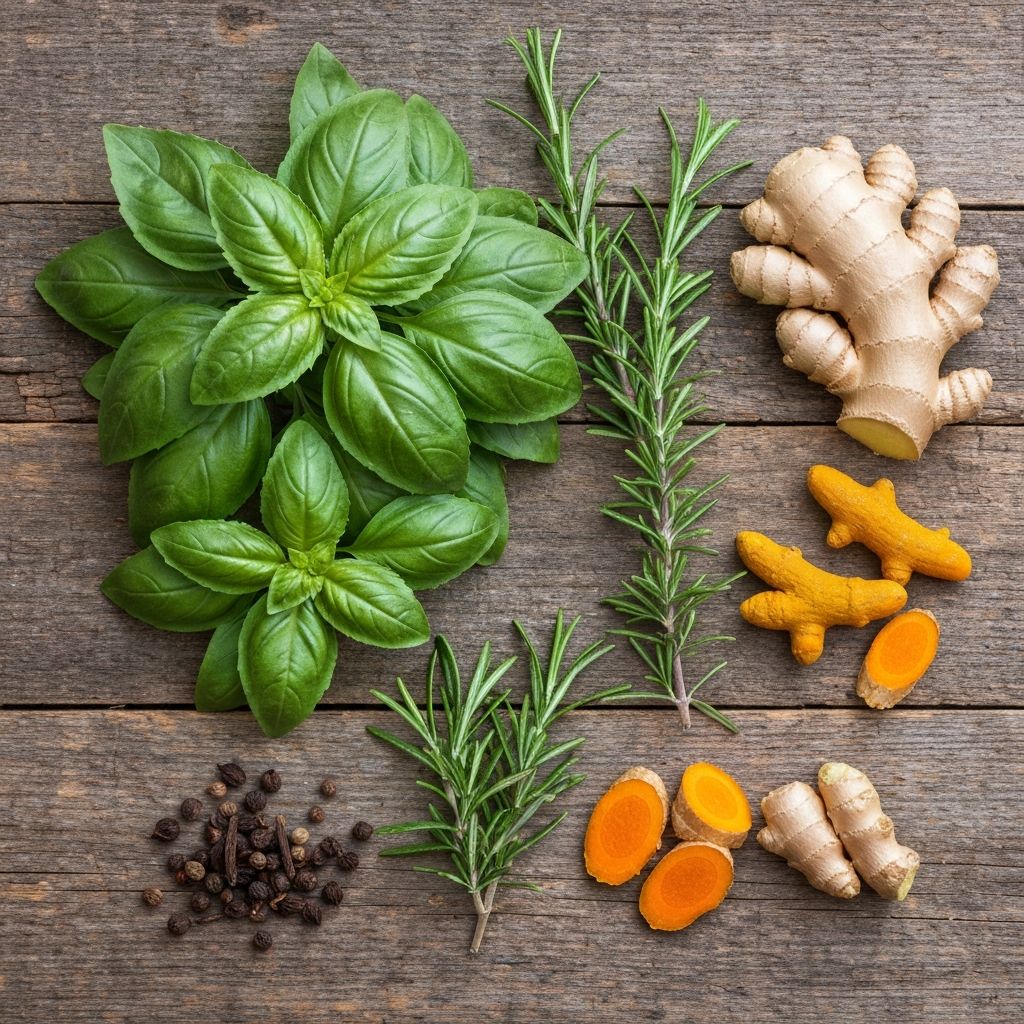
Culinary herbs like basil, rosemary, and oregano, along with spices such as turmeric and ginger, have been used in European and global cuisines for centuries. Educational resources document their traditional culinary roles and natural compound profiles.
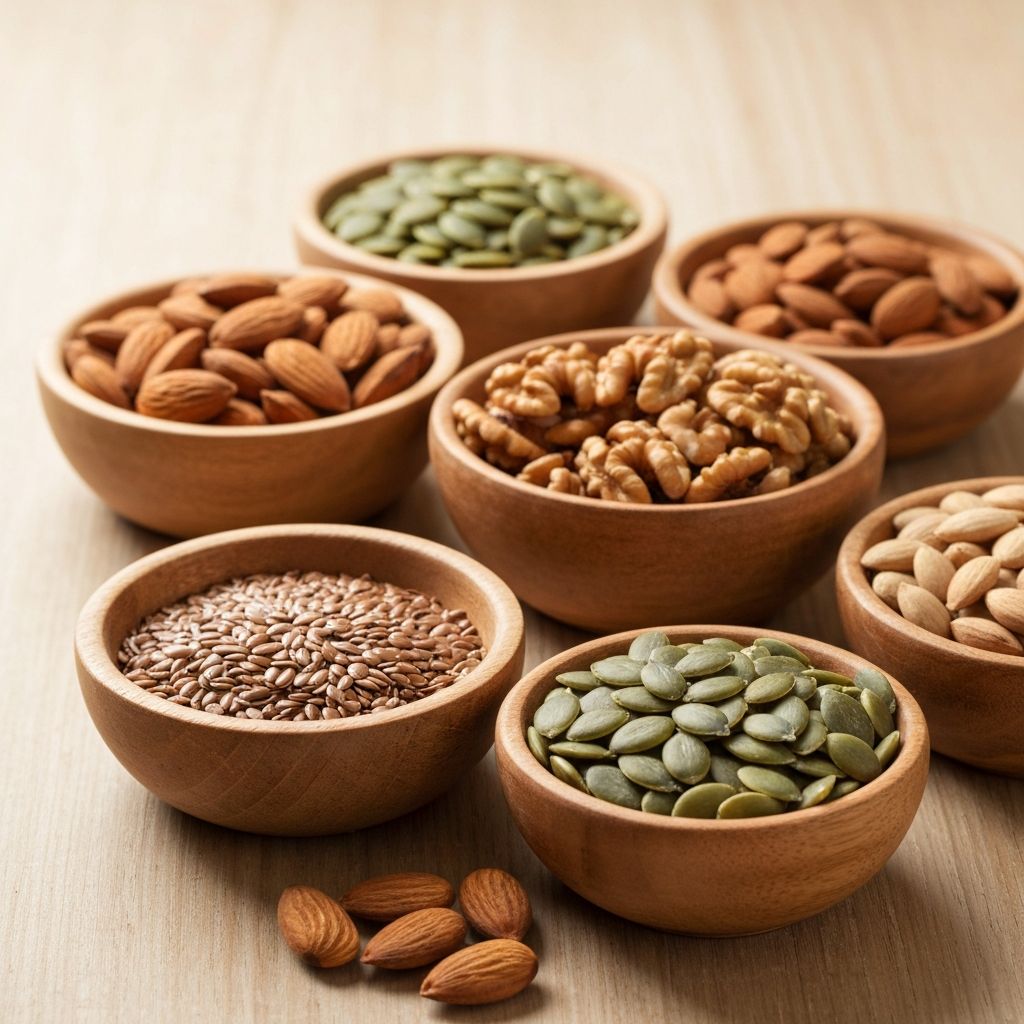
Almonds, walnuts, flax seeds, and pumpkin seeds are examples of plant-based foods rich in various nutrients. Nutrition education describes their composition including healthy fats, proteins, and minerals as part of diverse dietary patterns.
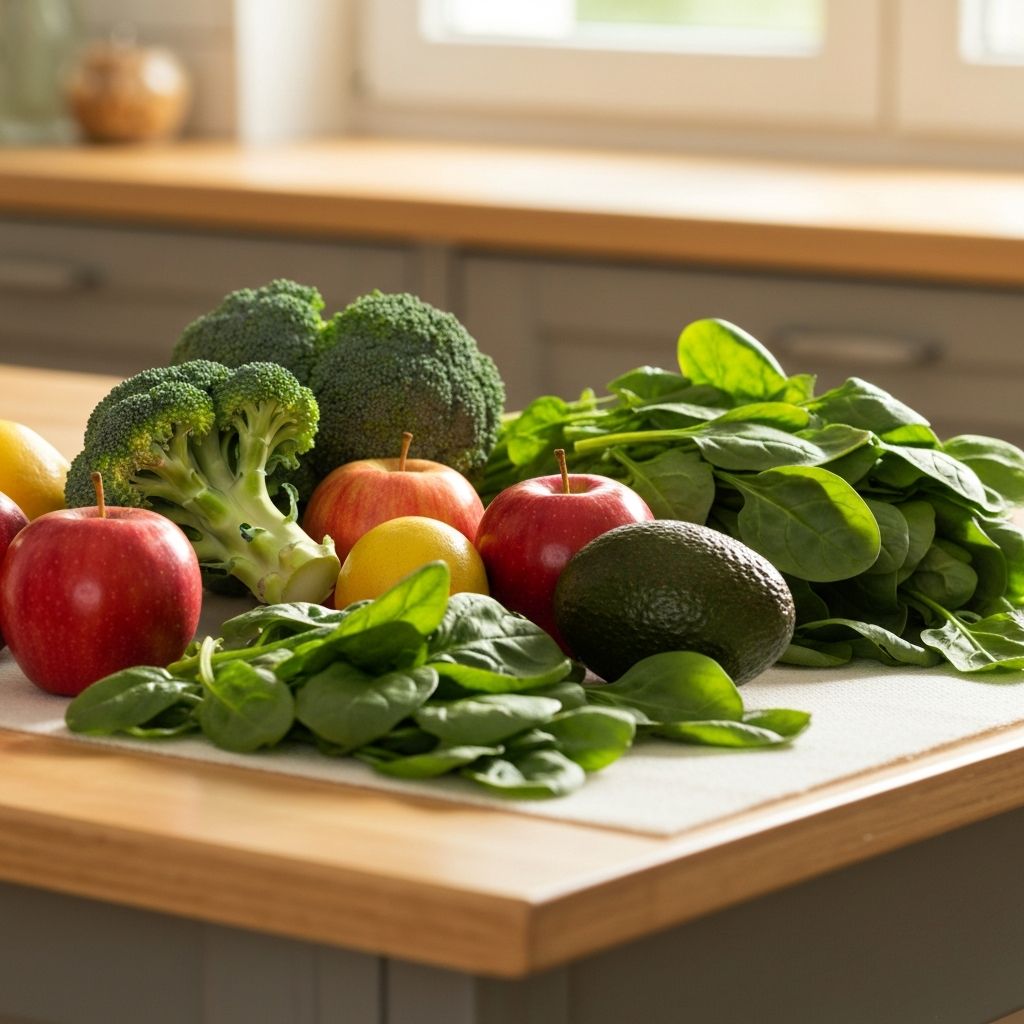
Leafy greens, cruciferous vegetables, berries, and citrus fruits contain various vitamins, minerals, and plant compounds. Educational materials explain their nutritional composition and traditional place in balanced eating patterns across cultures.
Contemporary nutrition education explores how meal timing, portion awareness, and food preparation methods fit into everyday routines. These topics are studied in the context of modern urban lifestyles and cultural dining traditions.
European dietary patterns often emphasize regular meal schedules, social dining contexts, and seasonal food choices. Educational research examines these habits as cultural practices rather than prescriptive guidelines.
Understanding these patterns helps readers contextualize nutritional information within broader lifestyle frameworks. This knowledge is informational and does not constitute personal advice or recommendations.
This section presents general information about dietary habits. Individual nutritional needs vary widely based on numerous personal factors.
Readers should interpret this content as educational material, not as guidance for personal decisions.
Across European countries, dietary traditions reflect regional agricultural patterns, climate conditions, and cultural histories. Mediterranean diets emphasize olive oil and fresh produce, while Northern European patterns may include different protein sources and preservation methods.
Educational studies document these variations as examples of how geography and culture shape food choices. Understanding these diverse approaches provides context for learning about global nutrition concepts.
Germany's position in Central Europe offers exposure to multiple dietary influences, from Mediterranean to Nordic traditions. This cultural intersection makes it an interesting case study for nutrition education focused on European contexts.
Explore educational materials about different vitamin types, their natural food sources, and their classification in nutritional science. This informational content explains basic biochemistry without making health claims.
Read moreLearn about various minerals found in everyday foods, from calcium in dairy to zinc in legumes. Educational resources describe their chemical properties and occurrence in diverse dietary patterns.
Read moreInformation about how natural supplements fit into contemporary nutrition discussions. This educational material covers general concepts without providing recommendations or comparing specific products.
Explore topicEducational overview of dietary balance concepts as discussed in nutritional science. Readers can explore various cultural approaches to meal planning and food diversity without prescriptive guidance.
Continue learningReceive educational articles about nutrition science, dietary patterns, and natural ingredient awareness. Our newsletter shares informational content for learning purposes only.
This form is used only for informational newsletter distribution. We do not sell directly.
By subscribing, you will receive educational materials about nutrition topics. This is not a commercial service.

All information on this website is provided for educational purposes only. The content describes general nutritional concepts, natural ingredients, and dietary patterns studied in nutrition science.
This material does not constitute individual recommendations, does not evaluate personal health states, and does not replace decisions made by individuals in consultation with qualified professionals.
Nutritional needs vary significantly among individuals based on numerous personal factors. Readers should interpret this content as informational knowledge rather than guidance for personal actions.
This website has an informational character and does not offer commercial services or products for direct purchase.